
Afghanistan sits at a genuine culinary crossroads. Centuries of Silk Road trade routes carried rice from Central Asia, spices from India, cooking techniques from Persia, and dumpling traditions from Turkic and Mongol influence straight through Afghan kitchens — and instead of simply borrowing these elements, Afghan cooks folded them into something with its own clear identity. The result is a cuisine built on balance rather than heat: warming spice blends, fresh herbs, dried fruit and nuts worked into savory dishes, and a deep reliance on bread, rice, and dairy. For travelers, food isn't a side note to an Afghanistan trip — it's one of the most memorable parts of it, especially because meals here are built around hospitality and sharing rather than individual plates.
This guide walks through the dishes worth knowing, how meals are structured day to day, regional differences across Afghanistan's major cities, and practical advice for eating well and respectfully while you travel.
The national dish: Kabuli Pulao
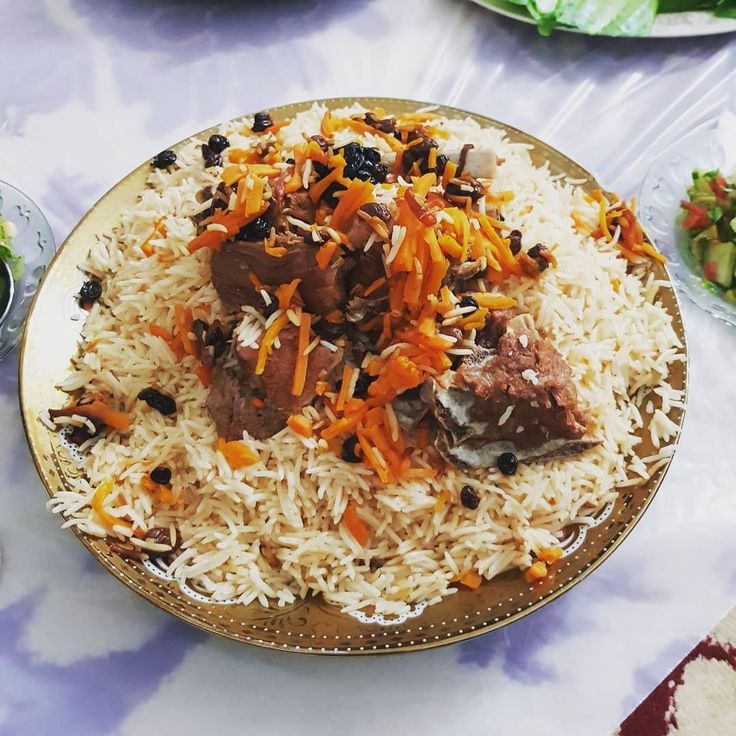
Kabuli pulao is the closest thing Afghanistan has to a national dish, and it's usually the first thing served to honored guests. It's built from long-grain rice slow-cooked in meat stock (traditionally lamb, sometimes beef) until the grains take on a deep amber color, then layered or topped with caramelized julienned carrots, plump raisins, and often slivered almonds or pistachios. Some versions add barberries for a tart contrast. The dish is festive by nature — it appears at weddings, Eid celebrations, and family gatherings — but it's also widely available in ordinary restaurants, and regional versions vary in sweetness, spicing, and how heavily the meat is featured. It's worth ordering more than once in different cities, since no two kitchens make it quite the same way.
Dumplings: Mantu and Ashak
Afghan dumpling traditions likely trace back to Turkic and Mongol influence along the Silk Road, and two dishes stand out:
Mantu
Steamed dumplings filled with spiced minced beef or lamb and onion, mantu are typically topped with a garlicky yogurt sauce and a light tomato-and-meat sauce, sometimes finished with dried mint. Making mantu by hand is often a family or communal activity, since folding the dumplings well takes practice — which is part of why the dish carries real cultural weight beyond just being a meal.
Ashak (Aushak)
A specialty closely associated with Kabul, ashak uses the same steaming technique as mantu but fills the dumplings with leeks and scallions instead of meat, finished with a yogurt-garlic sauce, a meat-based tomato sauce, and dried mint. It's considered one of the more technically demanding dishes to make well, and a well-made plate of ashak is a genuine highlight for many visitors.
Kebabs and grilled meats
Grilled meat is a daily staple across the country, most often lamb or beef, cooked over open coals and served with fresh flatbread, grilled tomatoes, and raw or grilled onions. A few variations worth knowing:
- Kebab-e-lulu — skewered minced meat, seasoned and grilled, similar in style to kofta kebabs found elsewhere in the region.
- Chapli kebab — a flat, spiced patty of minced beef or lamb mixed with tomatoes, green chilies, and coriander, thought to have originated in Peshawar but now popular throughout Afghanistan, especially in the south and east.
- Tikka — cubed, marinated meat grilled on skewers, often lamb.
Kebab stalls and small grill restaurants are everywhere, from Kabul's busy streets to smaller towns, and they're a reliable, affordable way to eat well on the road.
Stews and soups: Qorma and Shorwa
Qorma
Qorma is really a family of slow-cooked stews rather than a single dish — built around meat (commonly lamb or chicken), onions, tomatoes, and a careful spice blend, often with dried fruit worked in for a subtle sweetness. Variations include spinach qorma, okra qorma, and split-pea or lentil qorma, and it's almost always served ladled over white rice. This is Afghan comfort food at its core, and it's a good way to sample how recipes shift from household to household and region to region.
Shorwa
Shorwa is a hearty broth-based soup, typically built from lamb, chickpeas, root vegetables, and warming spices, thickened just enough to feel like a full meal rather than a starter. It's especially popular in winter and in Afghanistan's colder northern and central regions, where bread is often torn and dunked directly into the bowl. It's also one of the more affordable, widely available dishes, making it a good option for budget-conscious travelers or anyone wanting something lighter.
Bread: the anchor of every meal
Naan — long, oval flatbread baked in a clay tandoor oven — appears at nearly every meal in Afghanistan and often replaces utensils, used to scoop up stews, dips, and grilled meat. Bakeries (nanwaee) turning out fresh naan throughout the day are a fixture of daily life in every Afghan town and city, and watching the process is worth a few minutes if you pass one. Other bread styles, including thinner lavash-style flatbreads, appear regionally as well.
Rice beyond pulao
While Kabuli pulao gets the most attention, rice appears in many other forms across Afghan cooking — plain steamed rice (chalow) served alongside qorma, and various pulao variations built around different meats, vegetables, or dried fruit combinations depending on the season and region. The northern plains, known for high-quality wheat, melons, grapes, and rice, feed much of this rice-and-bread-centered cooking tradition.
Street food and snacks
Afghanistan has a genuinely vibrant street food culture, especially in Kabul, Kandahar, Mazar-i-Sharif, and Herat, where markets and roadside stalls serve hot food at almost any hour. Worth seeking out:
- Bolani — flatbread stuffed with spiced potato, leek, pumpkin, or lentils, then pan-fried until crisp. Cheap, filling, and easy to eat on the move.
- Samosas — fried pastries with spiced potato, meat, or lentil fillings, reflecting South Asian culinary influence.
- Roasted corn and nuts — common seasonal street snacks, especially in the warmer months.
Dairy and condiments
Dairy plays a bigger role in Afghan cooking than many first-time visitors expect. Chaka (a thick strained yogurt, similar to labneh) and qroot (a dried, tangy yogurt product, sometimes reconstituted into sauces) both appear across the country, and yogurt-based sauces are essential to dishes like mantu and ashak. Fresh yogurt is also commonly served alongside meals simply to cool down richer or spicier dishes.
Desserts and sweets
Afghan sweets lean heavily on dairy, nuts, dried fruit, and rosewater, and they tend to appear in force around festivals like Eid and Nowruz (the Persian New Year):
- Sheer yakh — a dense, rosewater-and-pistachio ice cream, distinct from Western-style ice cream in both texture and flavor.
- Firni — a milk-based pudding thickened with rice flour or cornstarch, flavored with cardamom and rosewater, and topped with crushed pistachios.
- Sheer khurma — a festive vermicelli pudding made with milk, dates, and nuts, especially associated with Eid.
- Jalebi — a crisp, syrup-soaked fried sweet, bright orange and coiled, sold widely at markets.
- Gosh-e-fil ("elephant ears") — a crisp fried pastry dusted with powdered sugar, popular during Nowruz.
- Haft mewa — literally "seven fruits," a Nowruz specialty made by soaking a mix of dried fruits and nuts (often including walnuts, pistachios, raisins, and dried apricots) until they soften into a syrup-like compote. It's one of the more culturally significant dishes to try if your trip lines up with the Afghan New Year in March.
Tea and drinks
Tea is less a beverage than a social ritual in Afghanistan. Green tea (chai sabz) and black tea, often flavored with cardamom, are served constantly — in homes, shops, offices, and roadside stalls — and being offered tea is a standard part of Afghan hospitality. Turning it down outright can read as impolite, so most travelers simply accept a cup even if they only take a sip. Beyond tea, dogh (a savory, slightly salty yogurt drink, sometimes with mint or cucumber) is a common way to cool off in warmer months, and fresh fruit juices and sharbat-style sweetened drinks appear seasonally, especially where melons and grapes are grown.
How a typical day of eating looks
Afghan daily eating generally follows three main meals, with tea served continuously throughout the day:
- Breakfast is usually light — fresh naan with butter, honey, or jam, sometimes eggs, alongside tea with cardamom.
- Lunch and dinner are larger, often centered on rice or bread with a stew, kebab, or dumpling dish, plus yogurt, salad, and pickles on the side.
- Meals are frequently shared from communal platters rather than plated individually, particularly in homes and traditional restaurants.
Regional flavors across Afghanistan
Because Afghanistan's provinces differ so much in climate, ethnic makeup, and trade history, food varies meaningfully by region:
- Kabul — often considered the culinary center, known especially for ashak, mantu, and refined versions of Kabuli pulao, with a wide restaurant scene reflecting influences from across the country.
- Herat — closer to Iran both geographically and culinarily, with more visible Persian influence in spicing and presentation, and access to excellent local produce, including saffron grown in the region.
- Mazar-i-Sharif and the north — benefits from the fertile northern plains, with strong wheat, melon, grape, and rice production shaping heavier use of these staples.
- Kandahar and the south — associated with chapli kebab and a slightly different spice profile shaped by proximity to Pakistan.
- Bamiyan and the central highlands — colder climate cooking, leaning on hearty soups like shorwa, dairy products, and dried goods that keep well through harsh winters.
Dining etiquette worth knowing
- Eat and pass food with your right hand — the left hand is traditionally considered unclean for eating in this cultural context.
- Meals are often eaten seated on the floor around a cloth spread (dastarkhwan) in homes and traditional settings, rather than at a raised table.
- Expect to be offered more food than you can eat — hospitality is expressed through abundance, and a host will often keep offering seconds. Politely declining takes some persistence, and finishing everything on your plate is sometimes read as a signal you'd like more, not that you're satisfied.
- Tea is nearly mandatory in any social or business interaction — accepting a cup, even briefly, is part of building rapport.
- Sharing a meal with a local family, when it can be arranged, is often described by visitors as one of the most meaningful parts of an Afghanistan trip — arguably more memorable than any single monument.
Practical tips for travelers
- Vegetarian travelers can eat reasonably well — bolani, qorma varieties made with vegetables or lentils, yogurt dishes, and salads are all available — but meat is central to most menus, so flag dietary needs early when booking so your guide can plan around them.
- Street food is widely and safely eaten locally, but as anywhere, favor busy stalls with high turnover and freshly cooked food over anything sitting out.
- Stick to bottled or properly treated water, including for ice, and be cautious with raw, unpeeled produce washed in tap water.
- Portions run generous
- Halal dietary rules apply throughout — pork is not part of Afghan cuisine, and alcohol is not part of the dining culture.
Eating your way through Afghanistan with us
At Tour Afghanistan, our itineraries build in real time for markets, local restaurants, and — where it can be arranged — meals with local families, so food becomes part of the cultural journey rather than an afterthought squeezed between sightseeing stops. As a Kabul-based, licensed operator, we know which kitchens, kebab stalls, and family cooks are worth the detour in each city we cover, and we can build a trip around food specifically if that's what you're after.
- Request a free custom itinerary and quote — no deposit required to start planning.
- Message us on WhatsApp for quick, personal planning help.
- Browse our Afghanistan tour packages, including private and small-group options.
- Related guides: Destinations we cover · Is Afghanistan safe? · Women travel in Afghanistan
Traveling with dietary needs, or want an itinerary built around food and local markets? Get in touch with our planning team and we'll design it in from the start.